Introduction
Cross Chain DeFi 2026.Decentralized finance, commonly referred to as DeFi, represents a fundamental shift in how financial transactions are conducted, moving from traditional centralized systems to a more democratized and innovative approach. In 2026, the transformation of DeFi is characterized by the pivotal development of cross-chain interoperability, which addresses the limitations of blockchain isolation and opens pathways for enhanced collaboration across various blockchain networks.
Historically, most blockchain ecosystems functioned independently, leading to fragmented markets and restricted asset interoperability. Each blockchain had its unique protocol, which made it difficult for users to transfer assets or engage in financial activities across different platforms efficiently. However, with the introduction of cross-chain solutions, the landscape is evolving dramatically. This technological advancement enables seamless interaction among disparate blockchains, fostering a more interconnected financial ecosystem.
The significance of this transformation cannot be overstated. By facilitating collaboration among different blockchain networks, cross-chain interoperability creates opportunities for wider access to financial services, improved liquidity, and enhanced user experiences. Users can now move assets freely, thereby maximizing their investment potential and minimizing transaction costs across platforms. Additionally, the convergence of multiple financial ecosystems is expected to lead to the emergence of a unified blockchain economy that benefits both individuals and businesses.
In essence, the evolution of DeFi in 2026 is a paradigm shift towards a more cohesive and collaborative financial environment. As blockchain technology continues to progress, the emphasis on cross-chain interoperability will play a crucial role in shaping the future of finance, enabling users to harness the full potential of decentralized applications and services, while bridging the gaps that once divided various blockchain ecosystems.
What is Cross-Chain Interoperability?
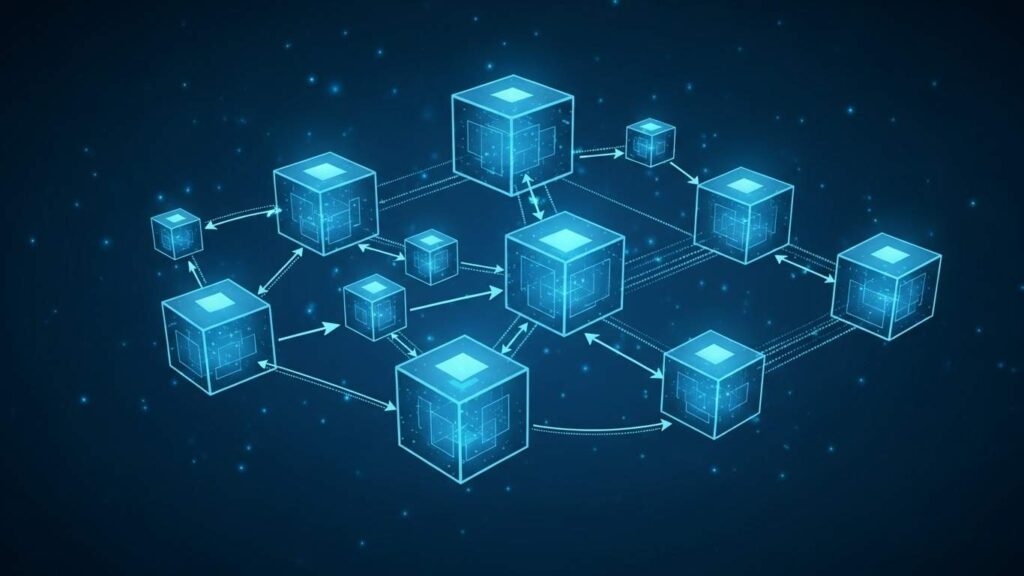
Cross-chain interoperability refers to the capability of different blockchain networks to communicate and share data seamlessly, without relying on centralized intermediaries. In an increasingly decentralized finance (DeFi) landscape, cross-chain interoperability plays a crucial role in enabling various blockchain ecosystems to interact efficiently. This facilitates enhanced collaboration among projects that may have otherwise operated in isolation, thereby creating a more connected and versatile financial ecosystem.
To simplify the concept, one can draw a parallel with shared payment systems like Visa and Mastercard. Just as these payment platforms enable consumers to carry out transactions across different merchants and financial institutions without needing to know the intricacies of each entity involved, cross-chain interoperability allows for the exchange of assets and information across diverse blockchain protocols. This not only promotes liquidity but also enhances user experience by removing the barriers that previously hindered movement between networks.
The core functionalities of cross-chain interoperability include token transfers, unified liquidity pools, and cross-protocol lending. Token transfers allow users to move assets seamlessly between different blockchains, thereby increasing accessibility and flexibility. Unified liquidity pools are created when assets from various chains are aggregated into a single pool, leading to improved trading efficiency and reduced volatility. Meanwhile, cross-protocol lending enables users to borrow and lend assets across different platforms, further unlocking value and ensuring that resources can be utilized in the most efficient manner possible.
In summary, cross-chain interoperability represents a significant leap forward in the DeFi sector, empowering users and developers to harness the full potential of multiple blockchain networks. As this technology evolves, it is expected that the financial landscape will become increasingly interconnected, opening new avenues for innovation and participation in decentralized finance.
The Importance of Interconnectedness in Blockchain
The future of blockchain technology is increasingly tied to the concept of interconnectedness among various networks. Currently, many blockchain systems operate in isolation, which creates several limitations in terms of scalability, efficiency, and user experience. Isolated chains often lead to fragmentation in the ecosystem, making it difficult for users to transfer assets seamlessly or access the full functionality of decentralized finance (DeFi) products. This can result in higher transaction costs and slower processing speeds due to the need to bridge different networks.
Interconnected systems can mitigate these issues by allowing for greater collaboration and interaction between various platforms. For instance, cross-chain interoperability can facilitate the movement of assets and data across chains, enabling users to engage in a broader range of financial activities without being confined to a single network. This interconnectedness not only enhances user experience but also encourages innovation by allowing developers to build upon existing infrastructures and leverage the strengths of multiple blockchain platforms.
Several real-world examples demonstrate the benefits of interconnected blockchain ecosystems. Projects like Polkadot and Cosmos have successfully established frameworks that enable different blockchains to communicate with each other. These platforms exemplify how interoperability can enhance the efficiency of blockchain networks while reducing costs. By fostering an environment where blockchains can share resources and functionality, these interconnected systems can significantly elevate the overall performance of DeFi applications.
As we move forward into 2026, the importance of interconnectedness in blockchain will be instrumental in shaping a more cohesive and effective DeFi landscape. The ability to operate across different networks will not only improve transaction speeds and lower fees but also empower users with enhanced capabilities tailored to their financial needs. Ultimately, embracing interconnectedness is vital for realizing the full potential of blockchain technology in the coming years.
Key Technologies Enabling Cross-Chain Interoperability
The emergence of cross-chain interoperability in decentralized finance (DeFi) is fundamentally reshaping the blockchain landscape. Among the key technologies fostering this evolution are cross-chain bridges, interoperability protocols, and AI-driven routing layers. These innovations not only facilitate asset transfers across diverse blockchain networks but also enhance the overall functionality and user experience within the DeFi ecosystem.
Cross-chain bridges serve as direct connections between disparate blockchains, enabling the seamless transfer of tokens and data. By utilizing smart contracts, these bridges lock assets on one chain and mint equivalent tokens on another, thus allowing users to engage with various DeFi platforms without being confined to a single blockchain. Notable examples of such bridges include the Wrapped Bitcoin (WBTC) and the Binance Smart Chain (BSC) bridge, both of which are instrumental in incorporating the liquidity of Bitcoin within Ethereum’s DeFi sector.
Interoperability protocols, such as Polkadot and Cosmos, are pivotal for fostering communication and interaction between distinct blockchain networks. These protocols create a shared layer or hub, allowing for the execution of cross-chain transactions and the retrieval of data from different ecosystems. Their significance lies in their ability to standardize interactions across networks, thus providing developers with tools to craft applications that leverage multiple blockchains efficiently.
Finally, AI-driven routing layers are emerging as a transformative force in cross-chain interactions. By utilizing machine learning algorithms, these layers can analyze transaction volumes and user behavior to optimize network routing for asset transfers. This proactive approach not only increases transaction speed but also reduces costs, making DeFi more accessible and efficient for users.
Research and developments in these areas continue to advance, propelling cross-chain interoperability into mainstream adoption. With ongoing innovations, the DeFi space is poised for significant transformation, fostering an interconnected digital finance ecosystem.
Benefits of Cross-Chain Interoperability in DeFi
Cross-chain interoperability in Decentralized Finance (DeFi) represents a groundbreaking evolution that can significantly enhance the landscape of digital finance. One of the foremost benefits of this technology is the potential for enhanced liquidity. Traditionally, assets were confined within their native chains, restricting users’ ability to move funds freely. With cross-chain solutions, users can aggregate liquidity from multiple sources, facilitating smoother transactions and fostering a more dynamic market. This increased liquidity not only benefits traders but also contributes to price stability across various platforms.
Another key advantage is the diversification of investment opportunities that cross-chain interoperability presents. Investors are no longer limited to a single blockchain’s assets, allowing them to explore a wider range of financial instruments across different networks. This diversification is crucial for risk management, as it enables users to spread their capital across multiple platforms and investment vehicles, enhancing potential returns while mitigating losses.
Furthermore, cross-chain interoperability can lead to reduced transaction costs. By facilitating direct communication between different blockchains, this technology eliminates the need for intermediaries, resulting in lower fees for users. This reduction in costs can attract a broader audience to DeFi, encouraging more participants to engage with decentralized applications and subsequently increasing overall market participation.
Improved accessibility is another notable benefit of cross-chain interoperability. Users from various blockchain ecosystems can interact seamlessly, enhancing the user experience and attracting a more diverse audience. This accessibility becomes particularly important in developing regions where individuals may have limited access to traditional banking. By allowing these users to exploit DeFi opportunities more effectively, cross-chain interoperability can foster financial inclusion and innovation.
Incorporating real-world examples, platforms like Polkadot and Cosmos illustrate the advantages of interoperability in action, showcasing how they enable asset transfer across chains effectively. As DeFi continues to evolve, these benefits will play a crucial role in shaping a more inclusive and robust financial ecosystem.
Challenges and Limitations of Interoperability
The emergence of cross-chain interoperability represents a significant advancement in decentralized finance (DeFi), yet it is not without its challenges and limitations. One primary concern is security. As multiple blockchain networks interact with one another, the potential for vulnerabilities increases. Cross-chain bridges, which facilitate the transfer of assets between different chains, are often targeted for exploitation by malicious actors. Ensuring that these bridges are resilient against attacks is crucial for maintaining overall network integrity and user confidence in cross-chain transactions.
Another considerable issue is scalability. While many blockchain networks have developed solutions to enhance throughput, the integration of various platforms can lead to congestion. If a significant number of transactions occur concurrently across different chains, it may result in delayed processes or failure of transactions altogether. Achieving a balance between interoperability and scalability remains an ongoing challenge for developers in the DeFi landscape.
Additionally, regulatory challenges arise as jurisdictions struggle to adapt legislation for cross-chain activities. Current regulatory frameworks may not sufficiently address the complexities introduced by interoperable systems, leading to uncertainty for users and developers alike. The risk of non-compliance may deter some projects from implementing cross-chain functionalities, limiting the potential growth of DeFi.
In response to these obstacles, the development of robust safeguards is essential. Efforts are underway to implement enhanced security protocols, such as multi-signature wallets and advanced encryption techniques to protect cross-chain transactions. Furthermore, the establishment of regulatory standards that accommodate cross-chain interactions could promote a more secure and compliant environment, fostering trust among users.
In conclusion, while cross-chain interoperability presents exciting opportunities for the future of DeFi, acknowledging and addressing its challenges is vital for the realization of its full potential.
User Experience and Cross-Chain Solutions
The emergence of cross-chain interoperability is redefining the user experience within DeFi applications. Traditionally, users have faced significant challenges when navigating between disparate blockchain networks. The lack of seamless interaction often leads to complex user interfaces that can deter non-technical users from engaging with DeFi products. However, with the advancements in cross-chain solutions, there is an opportunity to create more intuitive and user-friendly experiences that cater to a broader audience.
Interoperable systems simplify the user journey by enabling seamless transactions across different blockchains. For instance, users can now engage with decentralized exchanges, lending protocols, and liquidity pools regardless of the blockchain they originate from. This capability reduces the need for multiple wallets and platforms, streamlining the process for users and enhancing overall accessibility. By harnessing cross-chain solutions, developers are focusing on creating cohesive platforms that provide a unified access point for various DeFi services, thus fostering a more engaging and streamlined user experience.
User-friendly interfaces are crucial in this shift towards better experiences in DeFi. Incorporating simplified dashboards, intuitive navigation, and informative tooltips can greatly diminish the learning curve for new users. Moreover, enhancement in transaction speed and cost efficiency through cross-chain transactions increases user satisfaction and encourages adoption. As more interoperable protocols emerge, the design and functionality of these platforms must prioritize the user experience to attract a wider demographic, ultimately contributing to mass adoption.
In summary, as the DeFi landscape evolves, the focus on user experience through effective cross-chain solutions will play a pivotal role in shaping the future of finance. By prioritizing seamless interactions, intuitive design, and operational efficiency, developers can equip users with the tools needed to navigate this new era of decentralized finance comfortably.
The Future of DeFi and Cross-Chain Integration
The decentralized finance (DeFi) sector is poised for transformative growth as cross-chain interoperability becomes a focal point in its evolution. By 2026, the ability for diverse blockchain networks to communicate and interact seamlessly will reshape the financial landscape, enhancing accessibility and efficiency in DeFi applications. This integration will enable a broader array of assets to be exchanged and utilized across different platforms, which will likely lead to an increase in liquidity and greater trading opportunities for users.
One significant trend indicative of this evolution is the rise of aggregated liquidity protocols, which allow assets from different blockchains to be pooled together. As these protocols become more sophisticated, they will reduced barriers to entry, empowering a larger user base to engage in DeFi without being confined to a single blockchain ecosystem. The emergence of cross-chain decentralized exchanges (DEXs) is another potential development, allowing users to execute trades between different tokens at reduced costs and higher speeds.
Technological advancements such as blockchain bridging and atomic swaps are expected to play a crucial role in fostering these integrations. Bridge technologies will facilitate a seamless flow of tokens between independent blockchains, while atomic swaps will enable trustless trading between disparate currencies, enhancing the DeFi ecosystem’s overall usability. Additionally, layer-2 solutions are being developed to ensure scalable and fast transaction processing, thereby improving user experiences.
Numerous projects in the pipeline aim to capitalize on these innovations. Developers are exploring protocol designs that prioritize interoperability, security, and user privacy. As such changes unfold, users will likely experience a more cohesive financial ecosystem, enabling them to harness the full potential of DeFi markets. The future landscape will likely demonstrate how cross-chain integration can contribute to decentralized finance, bridging gaps between different systems for a more inclusive financial future.
Conclusion: Embracing the Interconnected Era
As we navigate the evolving landscape of Decentralized Finance (DeFi), the significance of cross-chain interoperability cannot be overstated. The promise of various blockchain networks working seamlessly together presents a transformative opportunity to enhance liquidity, functionality, and user experience across the DeFi ecosystem. By breaking down the barriers that typically isolate different blockchain protocols, cross-chain solutions facilitate an interconnected economy that not only allows for greater access to financial services but also encourages innovation and collaboration among developers.
In 2026, the implications of embracing cross-chain interoperability may be far-reaching. Decentralized applications (dApps) can harness the unique strengths of multiple chains, allowing them to scale and operate more efficiently. Users stand to benefit from increased access to a wider array of financial products, reducing the reliance on single-chain solutions that may limit options and create inefficiencies in trading and investment practices. This interconnected framework position DeFi as a more inclusive and resilient financial system capable of responding to market changes in real time.
Furthermore, as developers and investors alike focus on interoperability, the DeFi space is likely to witness a flourishing ecosystem of new protocols, each designed to maximize the advantages of cross-chain interactions. This evolving landscape emphasizes the necessity for all stakeholders to stay informed about technological advancements and regulatory developments that may affect these new systems. Engaging with ongoing research and discussions around interoperability will not only arm individuals and businesses with the necessary knowledge to make informed decisions but will also contribute to the overall maturation of the DeFi sector.
Ultimately, the shift toward an interconnected era in DeFi represents not just an opportunity, but a requirement for sustainable growth and innovation. By embracing this transition, all participants within the blockchain ecosystem can look forward to a more efficient, diverse, and inclusive financial future.