Introduction
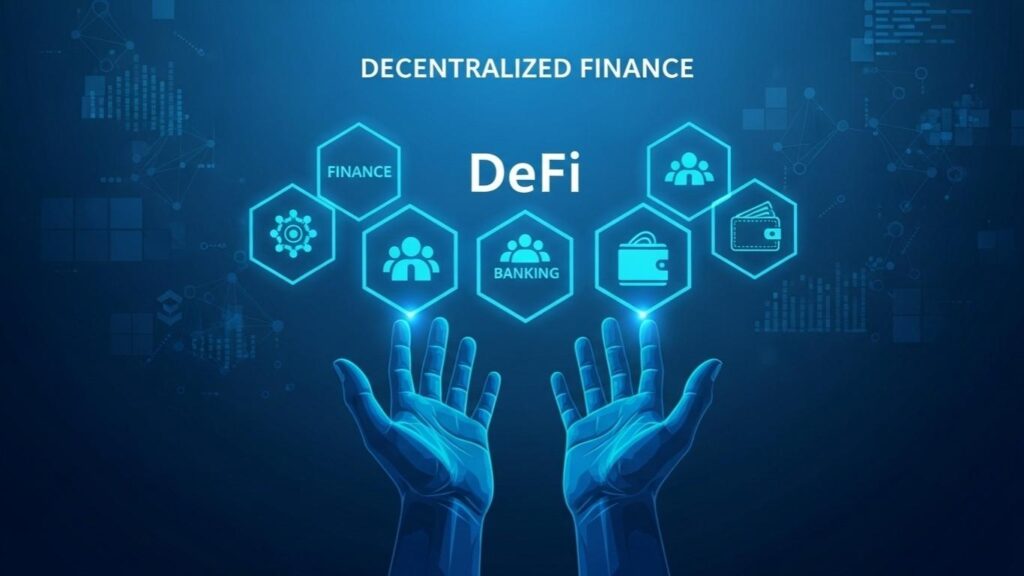
Decentralized Finance (DeFi) has emerged as a transformative force within the financial sector, leveraging blockchain technology to offer financial services that are typically reserved for traditional institutions. In recent years, the DeFi ecosystem has experienced explosive growth, with over $250 billion locked in decentralized protocols anticipated by 2025. This remarkable expansion is driven by a convergence of factors, including the democratization of financial services, increased accessibility, and the innovative design of decentralized applications (dApps) that allow users to lend, borrow, trade, and invest without intermediaries.
The core principle of DeFi lies in its ability to remove barriers, enabling users to engage in financial activities directly through smart contracts on public blockchains like Ethereum. This openness not only lowers costs but also enhances efficiency and speed, expanding the global reach of financial products. Furthermore, the growth of stablecoins has provided a stable medium of exchange, fostering an environment where users can operate free from the volatility typically associated with cryptocurrencies.
Despite these advancements, the importance of security within the DeFi landscape cannot be overstated. As more capital flows into decentralized systems, the vulnerability to hacks, smart contract bugs, and other unforeseen challenges increases. Consequently, the need for reliable and effective security measures has become paramount. This is where DeFi insurance comes into play, offering a vital layer of protection for investors by mitigating risks and fostering a sense of trust and confidence in decentralized protocols. By securing assets against potential losses, DeFi insurance encourages greater participation from individuals and institutions alike, ultimately contributing to the long-term growth and stability of the ecosystem.
Understanding DeFi Insurance
Decentralized Finance (DeFi) insurance represents a significant shift in the way insurance operates. Unlike traditional insurance models that rely on intermediaries and lengthy claims processes, DeFi insurance harnesses blockchain technology to provide a more efficient and transparent solution. This new model enables users to protect their investments against various risks associated with decentralized finance, such as smart contract exploits, exchange hacks, and stablecoin de-pegs.
At its core, DeFi insurance operates on smart contracts, which are self-executing contracts with the terms directly written into code. This eliminates the need for middlemen, such as brokers and underwriters, streamlining the process for users. When a loss occurs, the smart contract automatically verifies the claim and releases compensation to the affected party instantly. This feature is a stark contrast to traditional insurance, where claims can take weeks or even months to process, often leaving policyholders waiting in uncertainty.
Another essential aspect of DeFi insurance is its reliance on decentralized protocols, which bolsters the security and reliability of the coverage. By utilizing a network of nodes to validate transactions, the risk of fraud is significantly minimized. Additionally, the use of blockchain technology ensures that all transactions are transparent and immutable, contributing to the overall trustworthiness of the insurance model. Users are not only insured but also become active participants in the ecosystem, often able to vote on important decisions regarding the insurance protocol they engage with.
This innovative approach caters to the needs of modern investors, providing them with instantaneous and verifiable protection, which is crucial in the fast-paced world of decentralized finance. As the DeFi landscape continues to evolve, insurance solutions that embrace such advancements will play a vital role in safeguarding users’ investments against unforeseen risks.
The Mechanics of Smart Contracts in DeFi Insurance
Smart contracts serve as the backbone of decentralized finance (DeFi) insurance by facilitating the automated execution of agreements without the need for intermediaries. Within the DeFi insurance model, policies are created through coded agreements that outline the specific terms and conditions of coverage. These contracts are deployed on blockchain networks, ensuring that they are immutable and transparent. The process begins when a user selects a policy, the terms are encoded, and a transaction is initiated on the network. This transaction records the terms in a permanent manner, allowing for easy verification and trust among parties involved.
Once an insurance policy is in place, the potential for claims arises. Smart contracts streamline this process by using predefined criteria to determine when an event qualifies for a payout. For instance, in a scenario involving protection against smart contract failures, the relevant blockchain data can automatically trigger a claim when specific conditions—such as asset loss—are met. This greatly reduces the complexity and time traditionally associated with filing claims in conventional insurance models. By leveraging oracles, external data feeds can also provide the necessary information to verify the occurrence of the insurable event accurately.
Upon triggering a claim, the payout process is similarly automated. The smart contract will execute the payment directly to the policyholder’s digital wallet, eliminating the need for lengthy approval processes or human intervention. This not only enhances efficiency but also instills confidence in policyholders, knowing that their claims will be handled transparently and fairly. Real-world examples, such as Nexus Mutual and Etherisc, illustrate the practical benefits of this model, showcasing how smart contracts reduce costs and improve the user experience compared to traditional insurance. Ultimately, this innovative use of technology signifies a transformative step in safeguarding investments through DeFi insurance pathways.
Key Players in DeFi Insurance: Leading Protocols
In the rapidly evolving landscape of decentralized finance (DeFi), insurance protocols are emerging as pivotal players, ensuring user safety and protecting investments. As of 2025, several key players have distinguished themselves, each with unique strengths and offerings that contribute to the broader ecosystem of risk management.
Nexus Mutual stands out as one of the pioneering protocols in DeFi insurance. Utilizing a mutualizing approach, it allows users to pool their resources to provide coverage against smart contract failures and hacks. One of its unique features is the ability for members to vote on claims, thereby fostering a community-driven atmosphere. Nexus Mutual also offers a range of coverages, including protocol cover and exchange cover, making it a versatile choice for investors needing diverse protections.
Another notable player is Unslashed Finance, which differentiates itself through its comprehensive approach to risk assessment. This protocol offers insurance for multiple DeFi products, including liquidity pools and staking services. By collaborating with various audits and employing an innovative claims process, Unslashed Finance aims to enhance user trust. The platform also utilizes a decentralized governance model, enabling the community to participate in decision-making and claims validation, thus bolstering transparency.
Bridge Mutual, yet another significant protocol in the DeFi insurance space, focuses on providing coverage for stablecoins and exchanges. Its unique offering includes a decentralized claims adjustment process, where users can put forward claims that are evaluated by the community. This protocol emphasizes user empowerment, allowing participants to vote on claim resolutions, thus ensuring a fair process. Furthermore, Bridge Mutual extends coverage to various crypto assets, catering to a broad audience.
In essence, these leading protocols exemplify the innovation and structural integrity of the DeFi insurance landscape. By prioritizing risk management and user engagement, Nexus Mutual, Unslashed Finance, and Bridge Mutual collectively contribute to safeguarding investments in the decentralized ecosystem.
AI Integration in DeFi Insurance Risk Management
The integration of Artificial Intelligence (AI) into Decentralized Finance (DeFi) insurance is reshaping how risk management is approached within this dynamic sector. By employing advanced algorithms and machine learning techniques, AI has the potential to significantly enhance the efficiency and accuracy of various processes, fundamentally transforming the traditional insurance landscape. One notable application of AI is in the verification of loss events. Through the analysis of vast datasets, AI algorithms can swiftly identify and validate occurrences that warrant a claim, providing timely and objective assessments that reduce the likelihood of fraudulent claims.
Moreover, AI contributes to the assessment of claims, wherein it can analyze historical data and current market conditions to determine the legitimacy and value of a claim. This data-driven approach helps ensure that claims are processed promptly and at fair market value, thereby increasing user satisfaction and trust in DeFi insurance protocols. By automating these processes, AI not only minimizes human error but also reduces operational costs, making it a valuable asset for both insurance providers and their clients.
Additionally, the utilization of AI enhances the overall performance of DeFi insurance protocols. By continuously learning from ongoing market behavior and user interactions, AI systems can optimize risk management strategies, fine-tune premium pricing, and identify emerging risks that must be addressed. This proactive approach to risk management ensures that DeFi insurance offerings remain relevant and resilient in an ever-evolving financial landscape. As the sector continues to grow, the role of AI in enhancing accountability and efficiency within the insurance process will undoubtedly play a crucial role in safeguarding investments and building trust among stakeholders.
Benefits of DeFi Insurance for Investors
The emergence of decentralized finance (DeFi) insurance has introduced a paradigm shift in the investment landscape, offering unique benefits that cater specifically to the needs of modern investors. One of the primary advantages is enhanced security. Traditional insurance models often involve lengthy claims processes and reliance on third-party institutions. In contrast, DeFi insurance utilizes smart contracts to automate and expedite claims, ensuring that investors receive timely compensation in the event of a loss. This immediate access to compensation not only alleviates the stress associated with potential investment failures but also fosters a sense of security that is paramount in the ever-evolving world of cryptocurrencies.
Another significant benefit of DeFi insurance is its ability to mitigate risks associated with smart contracts. While these contracts are designed to be self-executing and transparent, vulnerabilities can still exist. DeFi insurance acts as a safety net, protecting investors against unforeseen exploits or flaws within these protocols. By covering potential losses stemming from hacks or bugs, it allows investors to engage with DeFi platforms with increased confidence, thereby encouraging broader participation in the ecosystem. This risk reduction is crucial for maintaining the sustainability and growth of the DeFi sector.
Moreover, the transformative nature of DeFi insurance highlights its role as a foundational pillar of trust within the DeFi ecosystem. It encourages users to engage more freely with innovative financial products, knowing that their investments are backed by an insurance mechanism designed specifically for this environment. As investors continue to seek alternative financial solutions, the presence of robust and reliable insurance options will be instrumental in enhancing the attractiveness of DeFi offerings, ultimately leading to increased adoption and a more resilient financial system.
Challenges and Risks Facing DeFi Insurance
Decentralized Finance (DeFi) insurance operates within a rapidly evolving landscape, presenting unique challenges and risks that stakeholders must navigate. One significant issue is scalability. As the popularity of DeFi products grows, the demand for insurance solutions against various risks will also increase. Many current DeFi protocols may struggle to manage this influx of users, leading to potential slowdowns or failures in providing timely coverage. Addressing scalability is crucial for the sustainability of DeFi insurance platforms, and solutions such as layer-2 scaling technologies or sidechains are being explored to enhance efficiency.
Furthermore, the underlying smart contracts represent another area of concern. Smart contracts are designed to be self-executing, but vulnerabilities can expose DeFi insurance platforms to significant risks. Bugs, exploits, and hacks could lead to substantial losses, undermining user trust and overall adoption. To mitigate these threats, it is imperative for developers to engage in extensive testing, audits, and the integration of formal verification processes to ensure contract security.
Additionally, regulatory hurdles present a complex challenge. The regulatory environment surrounding DeFi remains uncertain in many jurisdictions, creating ambiguity for insurance providers. Without clear guidelines, it can be challenging for these platforms to operate compliant with local laws, potentially hindering growth and innovation. Engaging with regulators and proactively participating in policy discussions are crucial steps for ensuring that DeFi insurance can flourish within a compliant framework.
Another significant challenge is maintaining accurate risk assessments. Unlike traditional insurance models, where historical data can guide risk prediction and pricing, DeFi insurance often relies on less established methodologies. Coupled with a nascent market, this can lead to mispriced premiums and insufficient coverage. Innovative approaches, such as leveraging decentralized oracles and user-generated data, are being explored to improve risk assessment accuracy. As the sector matures, addressing these challenges will be vital for the success and reliability of DeFi insurance solutions.
Future Predictions for DeFi Insurance
The landscape of decentralized finance (DeFi) insurance is poised for significant transformation by 2025, influenced by advancements in technology and shifts in governance structures. One key trend is the growing integration of artificial intelligence (AI) in underwriting processes. AI possesses the ability to analyze vast amounts of data quickly, facilitating accurate risk assessments for insurance products. As the DeFi ecosystem expands, the demand for efficient risk evaluation methods will surge, making AI an essential component in the development of responsive and adaptive insurance offerings.
Additionally, the potential for multi-chain coverage within DeFi insurance cannot be overlooked. As various blockchains gain traction, cross-chain insurance solutions may emerge, enabling users to secure their assets across different platforms seamlessly. This diversification of coverage can mitigate risks associated with specific blockchain vulnerabilities, offering a comprehensive safety net for investors. By leveraging technological advancements, multi-chain capabilities can not only enhance the resilience of DeFi insurance but also broaden its market reach, inviting a more extensive user base into the fold.
Furthermore, the rise of decentralized autonomous organizations (DAOs) could play a crucial role in shaping the governance of insurance products. DAOs have the potential to empower users by allowing them to participate in decision-making processes, from policy creation to claims management. This democratic approach can enhance transparency and foster trust among participants, aligning interests towards mutual benefit. As the DeFi space matures, DAOs may pave the way for innovative insurance models that prioritize user engagement and adaptability to the ever-changing financial landscape.
By 2025, the intertwining of AI, multi-chain coverage, and DAO governance could redefine the principles of insurance in the DeFi space, leading to greater security and confidence among investors as they navigate this evolving environment.
Conclusion: The Imperative of Trust in Decentralized Finance
As we navigate the evolving landscape of decentralized finance (DeFi), it becomes increasingly evident that trust is a fundamental pillar for the system’s long-term viability. This trust is not just a byproduct of the technology but rather a crucial element that must be cultivated through robust risk management strategies, particularly DeFi insurance solutions. The significant volatility and inherent risks associated with decentralized platforms necessitate having a safety net that provides users with both confidence and security in their transactions and investments.
Throughout this discussion, we have highlighted the growing importance of DeFi insurance in safeguarding financial investments. As platforms leverage smart contracts and token-based systems, the potential for unexpected losses remains a pressing concern. Insurance in the DeFi space serves a dual purpose: it not only protects individual investors from unforeseen events but also bolsters the credibility of the ecosystem as a whole. By implementing comprehensive insurance solutions, stakeholders can mitigate risks and create a more resilient financial environment that attracts a broader audience.
In light of these considerations, it is vital for developers, investors, and regulatory bodies to advocate for robust insurance mechanisms within the DeFi sector. Collaboration among these groups will foster innovation that ensures comprehensive coverage against various risks, including hacks, market fluctuations, and protocol failures. The future of decentralized finance relies heavily on this collaborative approach, as a secure and trustworthy DeFi ecosystem will empower users and encourage wider participation.
Ultimately, the integration of effective DeFi insurance frameworks is not merely advantageous; it is imperative for the maturation of the industry. Therefore, all stakeholders must prioritize the establishment of insurance solutions to instill trust and confidence, empowering a secure investment landscape as we move towards 2025 and beyond.