
Introduction
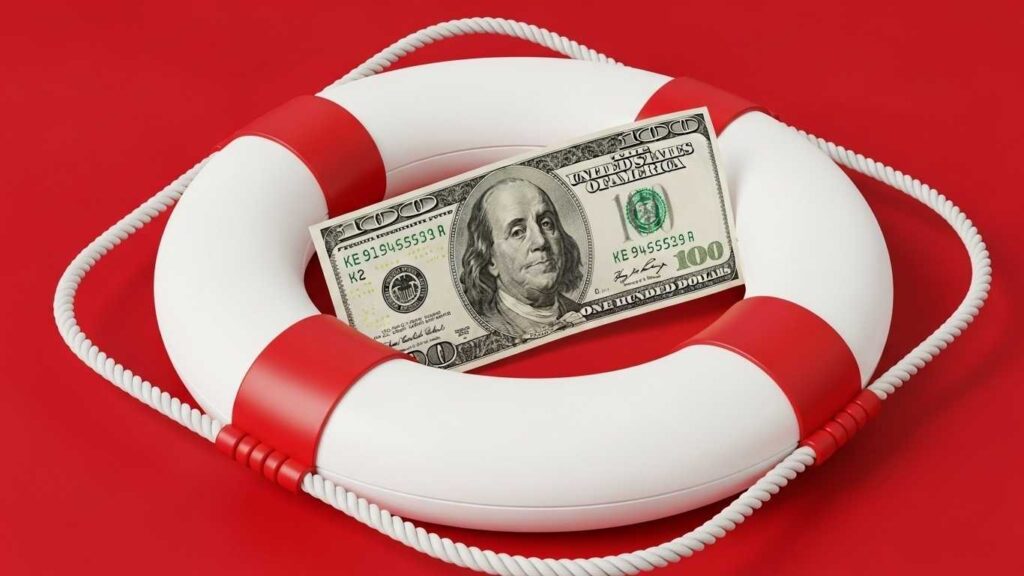
An emergency fund is a financial safety net designed to cover unexpected expenses that can disrupt your financial stability. In an unpredictable economic landscape, the significance of maintaining an emergency fund cannot be overstated. This reserve guarantees that you can address unforeseen costs—such as medical emergencies, car repairs, or sudden job loss—without derailing your long-term financial objectives.
The impact of unexpected expenses on financial goals can be substantial. Individuals often find themselves reallocating funds meant for savings, investments, or everyday expenses to cope with these unanticipated events. Consequently, this can lead to a cycle of debt or an inability to achieve planned financial milestones. As we approach 2025, this concern has amplified due to rising living costs and economic uncertainty. Many are encountering inflationary pressures that erode purchasing power, making it essential to prioritize financial preparedness.
In 2025, the relevance of having an emergency fund is more pronounced than ever. With economic fluctuations and a fluctuating job market, individuals are increasingly vulnerable to financial setbacks. Those without a financial buffer may find themselves in dire situations, unable to afford basic necessities or encountering challenges in maintaining their current lifestyle. Therefore, establishing an emergency fund is a crucial step toward financial security, allowing you to navigate life’s unpredictabilities with greater confidence.
Overall, securing funds for emergency situations not only supports financial well-being but also instills a sense of peace in an otherwise chaotic environment. Preparing adequately for the future necessitates a structured approach to building this financial foundation, ensuring that when unexpected circumstances arise, you are equipped to handle them efficiently and effectively.
Set a Clear Goal
Establishing a specific savings goal is pivotal when building an emergency fund. A clearly defined target serves as both motivation and a benchmark for your financial stability. Financial experts recommend that individuals aim to save three to six months’ worth of living expenses. This target takes into account essential expenses such as rent or mortgage, utilities, groceries, insurance, transportation, and any minimum debt payments. By focusing on these fundamental costs, you can create a more accurate representation of your financial needs during unexpected circumstances.
First, it’s important to calculate your monthly living expenses. Begin by categorizing your expenses into essentials and non-essentials. Essentials are the costs you must incur to maintain basic living standards, while non-essentials can be temporarily reduced or eliminated in times of financial distress. Once you have identified your essential expenses, multiply this figure by three to six to determine your emergency fund goal. This calculated range offers a cushion in case of job loss, medical emergencies, or unexpected car repairs, thus enhancing your financial resilience.
Moreover, personalizing your savings target can further boost your motivation. Consider your unique circumstances, such as the stability of your job, the size of your family, and any existing debts, to decide on the most suitable amount. By creating a realistic and attainable goal, you are more likely to stay engaged throughout the savings process. Regularly tracking your progress will provide an added layer of motivation, allowing you to celebrate milestones and reassess your goals as needed. This strategy not only fosters a sense of accomplishment but also reinforces your commitment to achieving financial security through effective emergency fund management.
Open a Separate Savings Account
Establishing an emergency fund is a critical component of financial security, and one of the essential steps in this process is to open a separate savings account specifically designated for your emergency savings. Maintaining this fund in a distinct account, separate from your regular spending accounts, offers numerous advantages that enhance the effectiveness of your financial strategy.
A separate savings account serves as a safeguard against the temptation to dip into your emergency fund for non-emergency expenditures. By restricting access to this account, you can maintain your discipline regarding withdrawals, reserving these funds exclusively for genuine emergencies, such as unforeseen medical expenses or urgent home repairs. This separation ensures that your emergency fund remains intact and accessible when the need arises, rather than being mixed with everyday funds that are subject to regular consumption.
When choosing the type of account to house your emergency fund, consider a high-yield savings account. These accounts typically offer higher interest rates than traditional savings accounts, allowing your funds to grow over time while remaining easily accessible. This feature not only helps build your emergency savings but also serves as an incentive to keep the funds untouched, as the interest can add a meaningful amount to your savings. Furthermore, online banks often provide competitive rates with minimal fees, making them an attractive option for emergency fund management.
Ultimately, the decision to open a separate savings account for your emergency fund is a fundamental strategy in achieving financial security. By limiting access to these funds and choosing a high-yield savings account, you can ensure that your emergency savings are well-protected and continue to grow, ready to be utilized when necessary. This careful planning can alleviate financial stress and contribute to long-term stability.
Automate Contributions
In today’s fast-paced world, the concept of automating your savings contributions has emerged as a practical method to bolster your emergency fund. By automating your savings, you can ensure that a specific amount is regularly set aside for your financial security without the need for manual intervention. This process not only simplifies your financial management but also introduces a level of discipline that can be hard to achieve through manual savings alone.
One of the key benefits of automation is its ability to encourage consistency. When contributions to your emergency fund are scheduled to occur automatically—perhaps right after you receive your paycheck—there is a reduced temptation to spend that money elsewhere. This systematic approach can create a strong saving habit over time, as these contributions become a regular part of your financial routine. Consequently, you will find it easier to accumulate savings without even thinking about it.
For those just beginning this journey, it is advisable to start with manageable amounts. Even a small percentage of your income can make a significant difference over time. As your income grows or becomes more stable, consider gradually increasing these contributions. For instance, if you begin by saving 5% of your monthly income, you can reassess this amount in six months, potentially increasing it to 10% as you become more comfortable with your budget.
Regularly monitoring your automated contributions can also prompt adjustments based on changing financial situations or goals. By leveraging the power of automation, you’re not just making saving easier; you are building a solid foundation for your emergency fund, thereby enhancing your financial security and ensuring you are better prepared for unforeseen circumstances.
Cut Expenses and Redirect Savings
Creating a robust emergency fund involves not only savings strategies but also making intentional cuts to your spending. Identifying areas where you can reduce expenses will allow you to allocate more funds toward its growth. A common approach is to review monthly subscriptions, such as streaming services or gym memberships, which often remain unchecked and unnecessary. By evaluating your usage, you can determine if you can cancel or downgrade to a less expensive plan.
Dining out is another area where many can reduce their expenditures. Instead of frequent restaurant visits, consider cooking at home. Preparing meals not only saves money but can also be a healthier option. To further this strategy, plan your meals for the week, create a grocery list, and stick to it; these habits can greatly reduce impulse spending on food.
Additionally, evaluate your shopping habits. Aim to take advantage of sales and only purchase items you genuinely need. Implementing a waiting period on non-essential purchases can help curb impulse buying. This strategy allows you to assess whether you truly want or need an item, helping prioritize your financial goals.
Redirecting these savings into your emergency fund can have a profound impact over time. Even small savings, when consistently directed toward your fund, can accumulate significantly. For instance, saving just $20 a week can lead to over $1,000 within a year. This incremental buildup demonstrates that every little bit counts in building a financial safety net. Maintaining awareness of your spending habits and actively seeking ways to cut back will contribute to accomplishing your emergency fund goals and enhance your overall financial security.
Building Gradually and Maintaining Discipline
Establishing a reliable emergency fund requires patience and a strategic approach. Rather than expecting to achieve your emergency fund goals overnight, it is essential to focus on gradual growth. This method allows for a more sustainable accumulation of savings, reducing the stress often associated with financial targets. By setting realistic monthly or quarterly contributions, you can steadily grow your fund without compromising your overall financial stability.
Tracking your milestones is a crucial aspect of this process. Regular monitoring of your savings can provide not only motivation but also a clear picture of your progress. Consider maintaining a visual chart or digital tracking tool that highlights your achievements as you approach your goal. Celebrating small victories along the way can enhance your commitment to the process, making it more enjoyable and less daunting. Acknowledging progress fosters a sense of accomplishment, reinforcing the importance of maintaining discipline in your saving habits.
Furthermore, an annual review of your emergency fund is advisable. Over time, inflation and changes in lifestyle can affect your financial needs, so it’s essential to adjust your goals accordingly. Assess whether your initial target is still appropriate given your current circumstances. If necessary, recalibrating your savings objectives can ensure that your fund remains adequate for covering unforeseen expenses or emergencies. This proactive approach not only enhances your financial security but also reinforces a disciplined mindset towards saving.
By embracing gradual growth and committing to a disciplined strategy, you position yourself to cultivate a robust emergency fund that can provide financial security in challenging times. The journey to financial stability may require time and effort, but the rewards will ultimately reflect your dedication and resilience.
The Importance of an Emergency Fund
An emergency fund is a critical component of sound financial planning, offering individuals a buffer against life’s unexpected events. The necessity of a robust emergency fund cannot be understated, as it provides essential financial stability that protects against unforeseen circumstances such as job loss, medical emergencies, or urgent home repairs. According to a 2021 survey by Bankrate, approximately 25% of Americans feel unprepared to handle a sudden financial setback, highlighting the importance of having a safety net in place.
One of the primary benefits of maintaining an emergency fund is the peace of mind it brings. Knowing that there are financial resources set aside specifically for emergencies can alleviate stress during turbulent times. When individuals encounter financial difficulties, they often find themselves facing heightened anxiety, which can make decision-making challenging. Conversely, having an emergency fund allows for calm and rational decisions, paving the way for both immediate and long-term financial recovery.
Moreover, an emergency fund acts as a safeguard against debt. Without such a buffer, individuals may be forced to rely on high-interest credit cards or loans to cover urgent expenses. The Consumer Financial Protection Bureau reported that many Americans dangerously rely on credit to manage unexpected costs, leading to longer-term financial instability. For instance, those who have an emergency fund are less likely to fall into the cycle of debt that can arise from unplanned expenses, as they can draw upon their savings instead.
Additionally, the ability to manage life’s uncertainties through a dedicated emergency fund encourages a more resilient mindset toward financial planning. It fosters a proactive approach, empowering individuals to prioritize saving and budgeting effectively. By securing a financial safety net, individuals can better navigate their lives, enabling opportunities that may otherwise be diminished in a financially volatile environment.
Conclusion
Building an emergency fund is a critical aspect of achieving financial security, particularly in the unpredictable landscape of 2025. As outlined in the previous sections, there are five essential steps that contribute to establishing a robust financial safety net. First, determining the appropriate savings goal is essential, providing a clear benchmark that helps frame the savings strategy. Next, analyzing monthly expenses allows individuals to identify potential savings openings while emphasizing the importance of living within one’s means.
Third, setting up a dedicated savings account specifically for emergency funds streamlines the process and reduces the temptation to dip into these savings for non-emergent expenses. Automating contributions to this account ensures consistency and builds savings without added effort, fostering a habit of savings that can eventually lead to financial ease. Finally, regularly reassessing and adjusting the emergency fund as income and expenses change remains crucial to maintaining a fund that accurately reflects current needs.
It is important for individuals to view their emergency fund not merely as a secondary financial consideration but instead as a prioritized component of overall financial health. By channeling commitment and discipline into building this fund, they can cultivate peace of mind during uncertain times. Financial security is attainable; by adhering to these systematic steps, individuals can create a resilient buffer against unexpected expenses. Ultimately, dedicating time and resources to establish a well-funded emergency savings account can positively transform one’s financial outlook, securing a more stable and confident future.
Next Steps and Additional Resources
After completing the steps outlined in the guide to establish your emergency fund, it is crucial to consider actionable next steps that will reinforce your commitment to financial security. First and foremost, review your current budget and identify areas where you can adjust your spending to contribute more towards your emergency savings. Aim to set a specific savings target, such as three to six months’ worth of living expenses, depending on your individual circumstances. This target will serve as a clear goal to keep you motivated.
In your journey towards building and maintaining your emergency fund, utilizing financial tools and resources can be highly beneficial. Budgeting apps like Mint, YNAB (You Need a Budget), and PocketGuard can provide you with detailed insights into your spending habits and help you allocate funds effectively. Many of these applications feature reminders and budgeting templates that can simplify the process, making it easier to track your savings on a regular basis.
In addition to budgeting tools, seeking financial advice from websites such as NerdWallet, The Motley Fool, or Investopedia can further enhance your understanding of effective savings strategies and investment options. These resources offer comprehensive articles and guides that cover various financial subjects, including tips on managing your savings accounts and optimizing interest rates.
Moreover, if you feel overwhelmed or need assistance in reaching your financial goals, consider joining support groups or financial planning workshops in your community. Engaging with like-minded individuals can provide encouragement and accountability, empowering you to stay on track with your financial security initiatives.
Implementing these next steps and utilizing additional resources will significantly aid in solidifying your emergency fund and overall financial stability. By actively managing your financial situation, you can greatly increase your preparedness for any unforeseen circumstances that may arise in the future.
Pro Tips for Managing Your Emergency Fund
Effectively managing an emergency fund is crucial to ensuring its purpose is preserved for genuine financial emergencies. One key strategy is to establish clear criteria that define what constitutes a true emergency. Emergencies often include unexpected circumstances like medical emergencies, job loss, or urgent home repairs. By documenting these criteria, individuals can prevent the temptation to use the fund for non-essential expenses, thus maintaining its integrity. Keeping a digital or physical note of these guidelines can serve as a helpful reminder when faced with spending decisions.
Another important strategy for increasing your emergency fund over time involves setting specific savings goals. Individuals can assess their monthly budget and allocate a fixed percentage or amount towards their fund. Automating these transfers to a separate savings account can help make this process seamless, ensuring that savings grow consistently. Additionally, reviewing and adjusting these savings goals periodically can accommodate financial changes, such as increased expenses or unexpected income, enhancing the overall growth of the fund.
Moreover, prioritizing ongoing financial education can significantly impact effective emergency fund management. Staying informed about personal finance topics, including budgeting techniques, investment opportunities, and changes in financial regulations, can empower individuals to make more informed decisions regarding their funds. Engaging with resources such as financial literacy workshops, online courses, and reputable financial blogs can enhance one’s understanding of how to protect and grow their emergency fund, ensuring it remains a viable resource when unexpected financial challenges arise.
Incorporating these expert tips can lead to a robust emergency fund that fulfills its intended purpose, providing security and peace of mind. By maintaining disciplined use, setting progressive savings targets, and committing to continuous learning, individuals can navigate the uncertain financial landscape with greater confidence.