Introduction
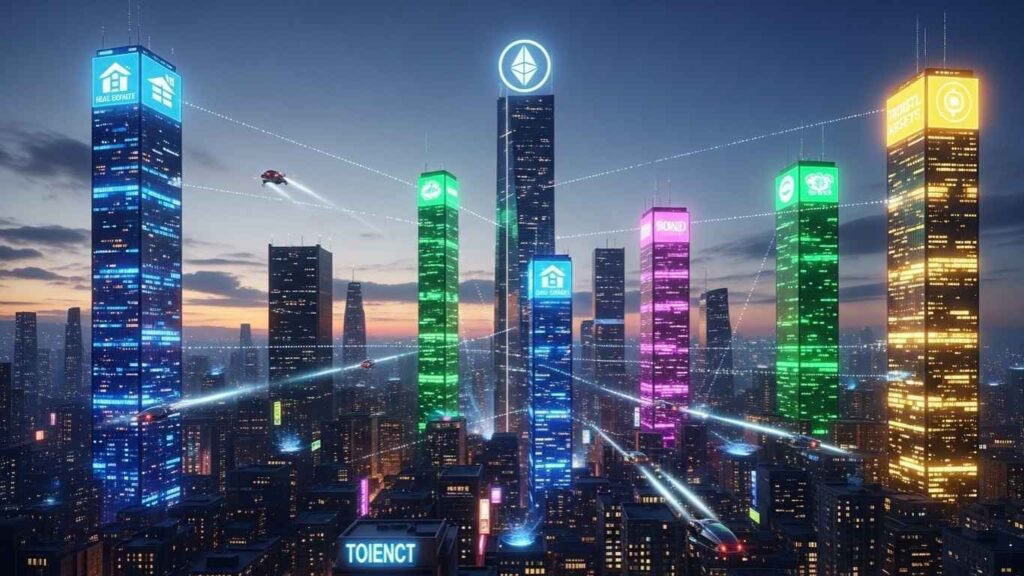
Tokenization in finance refers to the process of converting ownership rights of real-world assets into digital tokens that are recorded on a blockchain. This innovative approach represents a significant shift in the financial landscape, enabling traditional assets such as real estate, stocks, and commodities to be digitized. By representing these assets as tokens, investors gain enhanced access and liquidity, which enhances the overall investment experience. real-world assets (rwa) 2026.
In recent years, the concept of tokenization has gained traction due to the advancements in blockchain technology, which offers secure, transparent, and immutable records of transactions. The digitization of assets allows for fractional ownership, meaning that investors can purchase a fraction of a high-value asset instead of needing the capital to buy it outright. This democratizes access to investment opportunities and opens new avenues for capital formation. As more asset classes become tokenized, the market potential for investments is expected to grow exponentially.
Moreover, tokenization promises to streamline the process of asset management, significantly reducing intermediaries involved in transactions. This not only lowers costs but also speeds up settlement times, making the entire investment process more efficient. The implications of this transformation are vast; by 2026, tokenized assets are anticipated to play a pivotal role in reshaping global finance, enhancing liquidity, and creating a more inclusive investment environment.
As the financial sector continues to evolve, the significance of tokenization will undoubtedly heighten. Its potential to bridge traditional finance with innovative digital solutions holds the promise of not only transforming individual investment practices but also redefining the broader financial ecosystem. The future of tokenized assets is bright, and as interest grows, stakeholders across various sectors are urged to embrace this progressive financial paradigm.
Understanding Real-World Assets (RWAs)
Real-world assets (RWAs) refer to physical or intangible items of value that can be owned or traded. They encompass a wide array of asset classes, including tangible assets like real estate, vehicles, commodities, and artwork, as well as intangible assets such as corporate bonds, patents, and stocks. RWAs represent a significant portion of the global economy, with their value often tied to the economic activity and market sentiment surrounding them.
Tokenization is the process of converting the rights to an asset into a digital token that can be managed on a blockchain platform. By representing RWAs as tokens, these assets gain attributes inherent to blockchain technology, such as divisibility, liquidity, and transparency. For instance, a piece of real estate can be tokenized into several shares, allowing multiple investors to hold fractions of the property. This approach significantly lowers the barriers to entry for investment, making high-value assets more accessible to a broader audience.
The benefits of tokenizing real-world assets are multifaceted. Firstly, it enhances liquidity by allowing assets to be traded 24/7 on exchanges, broadening the market reach. Additionally, tokenization reduces transaction costs and increases efficiency by eliminating intermediaries traditionally involved in the transfer of ownership. Furthermore, by leveraging smart contracts, tokenization ensures that transactions are executed automatically under predefined terms, thereby minimizing disputes and enhancing trust among parties.
Moreover, real-world assets can benefit from improved transparency, as blockchain technology provides a decentralized and immutable ledger of ownership and transaction history. As such, investors can easily verify asset provenance and the legitimacy of ownership claims. Overall, the tokenization of RWAs is poised to revolutionize the finance landscape, paving the way for innovative forms of investment and ownership in the years to come.
The Process of Tokenization
The tokenization process transforms real-world assets into digital tokens that can be easily traded and managed on a blockchain. This innovative approach begins with the evaluation of the asset, which involves assessing its value and determining its eligibility for tokenization. Assets can include tangible items such as real estate or commodities, as well as intangible assets like intellectual property.
Once an asset is evaluated, the next step is digitization. This process entails creating a digital representation of the asset that encapsulates its various attributes, including ownership rights and historical data. This digital version is then linked to a blockchain, allowing for the creation of unique tokens that represent fractionalized ownership of the asset. Blockchain technology ensures that each token is securely recorded, creating a transparent and immutable ledger of ownership. This enhances the ease of transfer and reduces the risks commonly associated with asset management.
The role of smart contracts is vital in the tokenization process. These self-executing contracts contain preset conditions that facilitate transactions and governance without the need for intermediaries. Smart contracts automate various functions, such as validating ownership, ensuring compliance with regulations, and executing trades when specific conditions are met. This not only ensures secure ownership but also enhances the efficiency of transactions, making it easier for parties to engage in buying, selling, or leasing assets represented as tokens.
Additionally, legal frameworks play a crucial role in the tokenization process. Establishing clear guidelines surrounding ownership rights and liabilities ensures that tokenized assets are compliant with existing laws. This not only protects investors but also fosters greater confidence in the emerging market of tokenized real-world assets. Through this comprehensive approach of evaluating, digitizing, and securely managing assets, tokenization is set to revolutionize how we understand and invest in the financial landscape.
Major Examples of Tokenized Assets
The evolution of tokenized assets has gained significant traction over recent years, drawing interest from various sectors. Among the most notable examples are tokenized real estate platforms such as RealT and Citadao, which enable the fractional ownership of properties through blockchain technology. These platforms represent an innovative approach to real estate investment, allowing investors to buy and trade shares in real properties, thereby democratizing access to real estate markets that were traditionally reserved for affluent individuals.
RealT, for instance, uses Ethereum-based tokens to represent ownership stakes in properties. This model not only provides liquidity but also ensures that investors can benefit from rental income proportionate to their token holdings. With the ability to invest in a fraction of a property, RealT has made real estate investment more accessible to a broader audience, promoting diversity in asset portfolios.
Similarly, Citadao offers a platform that facilitates the tokenization of various types of real estate assets. Users can explore different investment opportunities ranging from residential properties to commercial spaces, enabling them to diversify their portfolios with relative ease. This shift towards tokenized real estate highlights a significant change in how individuals perceive property investment, promoting inclusivity and generating a larger pool of potential investors.
On the financial instruments side, Franklin Templeton has made notable advancements by launching blockchain-based bond tokens. Their initiative marks a watershed moment in the bond market by allowing the issuance and trading of bond tokens directly on the blockchain. This innovation not only increases transparency and efficiency in bond transactions but also caters to the rising demand for digital finance solutions.
These examples demonstrate the diverse applications of tokenized assets across different markets, showcasing their potential to transform traditional asset class perceptions and investment strategies significantly.
Benefits of Tokenizing Assets
The tokenization of real-world assets presents a myriad of advantages that have the potential to revolutionize the finance sector. First and foremost, tokenization significantly enhances liquidity. Traditional markets often have limitations related to the sale and transfer of assets, which can lead to long holding periods. However, tokenized assets can be traded on various platforms in real-time, providing faster transactions and a more dynamic trading environment. This increased liquidity not only benefits investors but also makes it easier for issuers to access capital more promptly.
Another crucial aspect of tokenization is its ability to improve accessibility for a wider range of investors. With conventional investment vehicles, high capital requirements may exclude small or retail investors. Conversely, tokenized assets facilitate a democratization of investment opportunities by allowing individuals to purchase fractions of an asset, thereby lowering the investment threshold. This fractional ownership opens the door to diverse portfolios, making previously unattainable investments accessible to a more varied pool of investors.
Moreover, tokenization addresses the issue of high transaction costs typically associated with buying and selling assets. The traditional processes often involve multiple intermediaries, leading to increased fees and delays. By utilizing blockchain technology, tokenized assets can minimize the need for intermediaries, streamlining the transaction process. This efficiency results in reduced transaction costs and quicker settlements, thus presenting a more cost-effective solution for both issuers and investors.
In conclusion, the benefits of tokenizing real-world assets—enhanced liquidity, improved accessibility, fractional ownership, and reduced transaction costs—highlight the transformative potential of this innovative approach to finance. By harnessing these advantages, both investors and issuers can participate in a more efficient and inclusive financial landscape.
Challenges and Risks of Tokenization
Tokenization of real-world assets (RWAs) presents numerous advantages, however, it also faces several challenges and risks that must be addressed to ensure a sustainable future in finance. One of the primary hurdles is regulatory compliance. Different jurisdictions may impose varying regulations on the issuance and management of tokenized assets, leading to uncertainty for creators and investors alike. As governments and financial authorities seek to regulate cryptocurrencies and tokenized assets, startups may struggle to navigate complex compliance landscapes. This regulatory ambiguity can stifle innovation and deter investment.
Technological limitations also pose a significant challenge. The blockchain technology that underpins tokenization is still evolving, and various platforms may not be fully equipped to handle the demands of widespread tokenization. Issues such as scalability, transaction speed, and interoperability between different blockchains can hinder the effective deployment of tokenized assets. Furthermore, the user experience on these platforms needs to be simplified to attract mainstream adoption, representing another barrier to entry.
Potential security threats are an additional concern. Tokenized assets can be vulnerable to hacking, fraud, or technical failures that may result in the loss of both assets and investor confidence. A single security breach could lead to significant financial repercussions for investors and the underlying asset’s reputation. Therefore, rigorous security measures must be implemented to protect tokenized assets, as well as continued development in cybersecurity protocols.
Lastly, there is a pressing need for investor education. Many prospective investors may not fully understand the intricacies of tokenization or the specific risks associated with investing in these assets. To facilitate informed decision-making, educational initiatives must be prioritized to raise awareness about both the opportunities and challenges presented by tokenized real-world assets.
Global Market Trends and Projections
The tokenized asset market is currently experiencing substantial growth, driven by technological advancements and evolving investor preferences. According to a report by the Boston Consulting Group, there is a significant trend towards the tokenization of real-world assets, which includes a variety of asset classes such as real estate, equities, and commodities. This shift signifies a move towards greater liquidity, transparency, and accessibility in financial markets.
As of 2023, it is projected that the tokenized asset market could reach a staggering $16 trillion by 2030, with an anticipated $3 trillion of assets migrating to blockchain by the year 2026. This migration marks a critical milestone in the broader adoption of blockchain technology across global financial systems. Several factors contribute to this rapid expansion, including the increasing efficiency and security offered by blockchain, along with rising demand from both institutional investors and retail participants looking for innovative ways to diversify their portfolios.
Moreover, regulatory advancements worldwide are progressively facilitating the integration of tokenization into the mainstream financial ecosystem. This progress is amplifying interest from a wider range of market players, encouraging both established financial institutions and new fintech startups to explore tokenized solutions. Data indicates that the reduction in transaction costs, coupled with enhanced access to globalized markets, will further catalyze the proliferation of tokenized assets.
In addition, the emergence of decentralized finance (DeFi) continues to play a critical role in shaping the landscape of tokenized assets. DeFi platforms enable individuals to engage with tokenized assets in innovative ways, such as lending and trading through smart contracts. Overall, the convergence of technological innovation, regulatory frameworks, and market demands bodes well for the future of tokenized assets, setting the stage for transformative changes in global finance.
The Future of Tokenized Real-World Assets
The growth of tokenized real-world assets is poised to transform the landscape of global finance significantly. As we look towards the future, several key innovations in decentralized finance (DeFi) are anticipated to emerge. The integration of tokenization within DeFi platforms will facilitate the seamless exchange and management of diverse asset classes, ranging from real estate to commodities. This dynamic interchange can enhance liquidity, enabling investors to buy and sell fractional ownership of high-value assets with unprecedented ease. Moreover, the blockchain technology underpinning tokenization provides an immutable ledger, enhancing security and transparency—a crucial factor for both seasoned investors and newcomers.
Another important aspect of tokenization is its potential to revolutionize property ownership. Traditional real estate markets have often been hindered by barriers to entry, such as high costs and opaque processes. Tokenization can democratize access to property investments, allowing individuals to participate in real estate markets that were previously out of reach. Through fractional ownership, smaller investors can acquire shares in properties they would not typically be able to afford, promoting broader participation in the real estate sector and contributing to wealth creation in a more inclusive manner.
Furthermore, the democratization of investment opportunities is likely to extend across global markets. Tokenized assets can be made available to a wider audience, transcending geographical and regulatory barriers. This inclusivity can empower investors from diverse backgrounds, providing them access to asset classes previously limited to institutional investors. By enabling a more equitable distribution of investment opportunities, tokenization stands to reshape the financial landscape, ultimately promoting financial literacy and spurring economic growth on a global scale. Such developments signify a pivotal shift in how assets are viewed and utilized, emphasizing efficiency and accessibility for all participants in the financial ecosystem.
Conclusion: The Financial Evolution Ahead
The rise of tokenized real-world assets marks a pivotal moment in the evolution of finance. This transformation signifies more than a mere trend; it indicates a fundamental shift in how assets are perceived, traded, and managed on a global scale. As we discussed, tokenization leverages blockchain technology to create digital representations of physical assets, which streamlines processes and enhances liquidity. This innovation not only democratizes access to historically exclusive asset classes but also empowers a broader demographic of investors, fostering an inclusive financial ecosystem.
Furthermore, the implications of tokenization extend beyond individual investors. Financial institutions, regulatory bodies, and global markets will undoubtedly adapt to this new paradigm. Institutions will likely incorporate tokenized assets into their business models to remain competitive, which may also necessitate new regulatory frameworks to ensure consumer protection and market integrity. The synergy between traditional finance and emerging technologies presents both opportunities and challenges that stakeholders must navigate carefully.
Moreover, the potential for tokenized assets to facilitate cross-border transactions and reduce financing costs has significant implications for the global economy. As barriers to entry diminish and participation becomes more accessible, we can expect an increase in investment opportunities across a broader spectrum of asset classes. Investors and companies alike are encouraged to remain vigilant and proactive in understanding these developments as they unfold.
In conclusion, the evolution of tokenized real-world assets is poised to reshape the financial landscape by 2026 and beyond. This transformation will likely redefine the future of investing, creating unprecedented opportunities for diversification and value creation. It invites readers to consider their role in this evolving ecosystem and the potential impacts it may have on their financial strategies and goals.